


Rotor and Stator
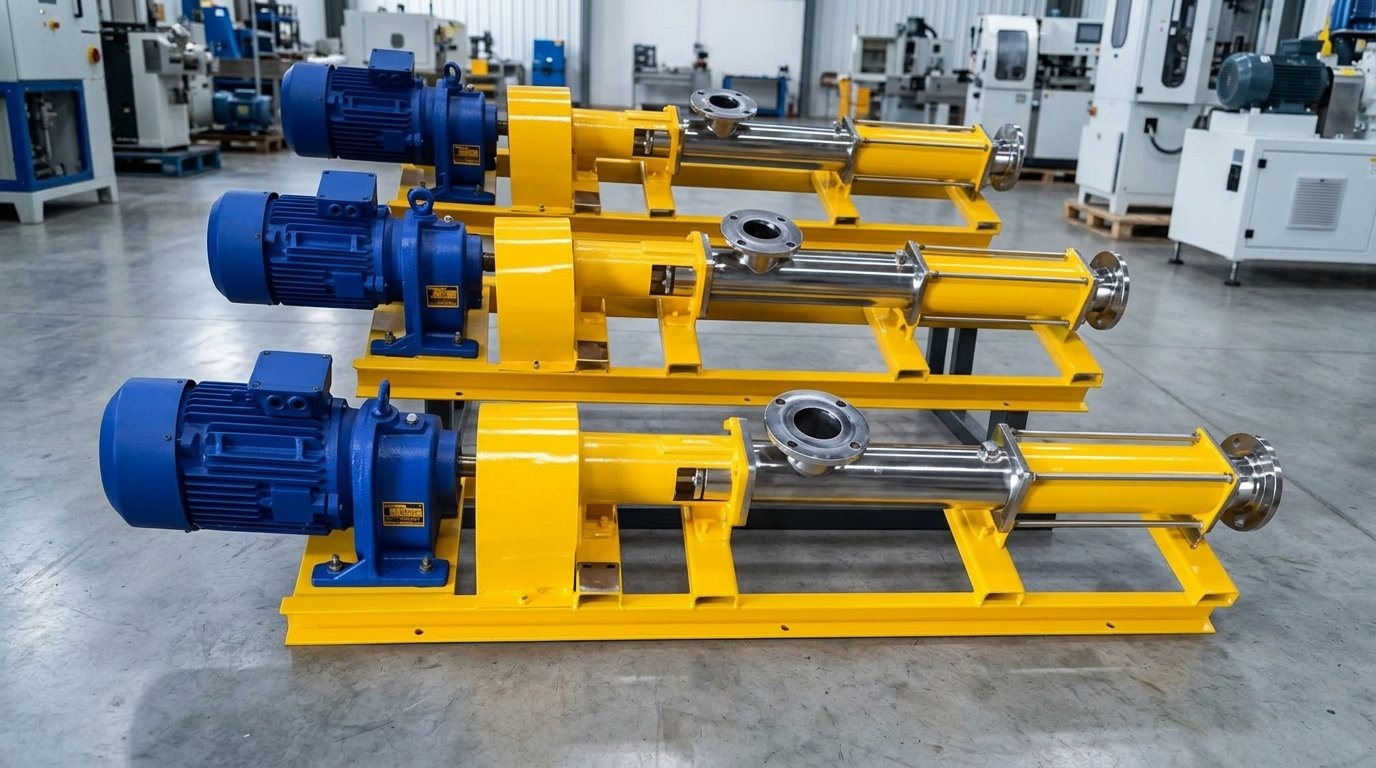
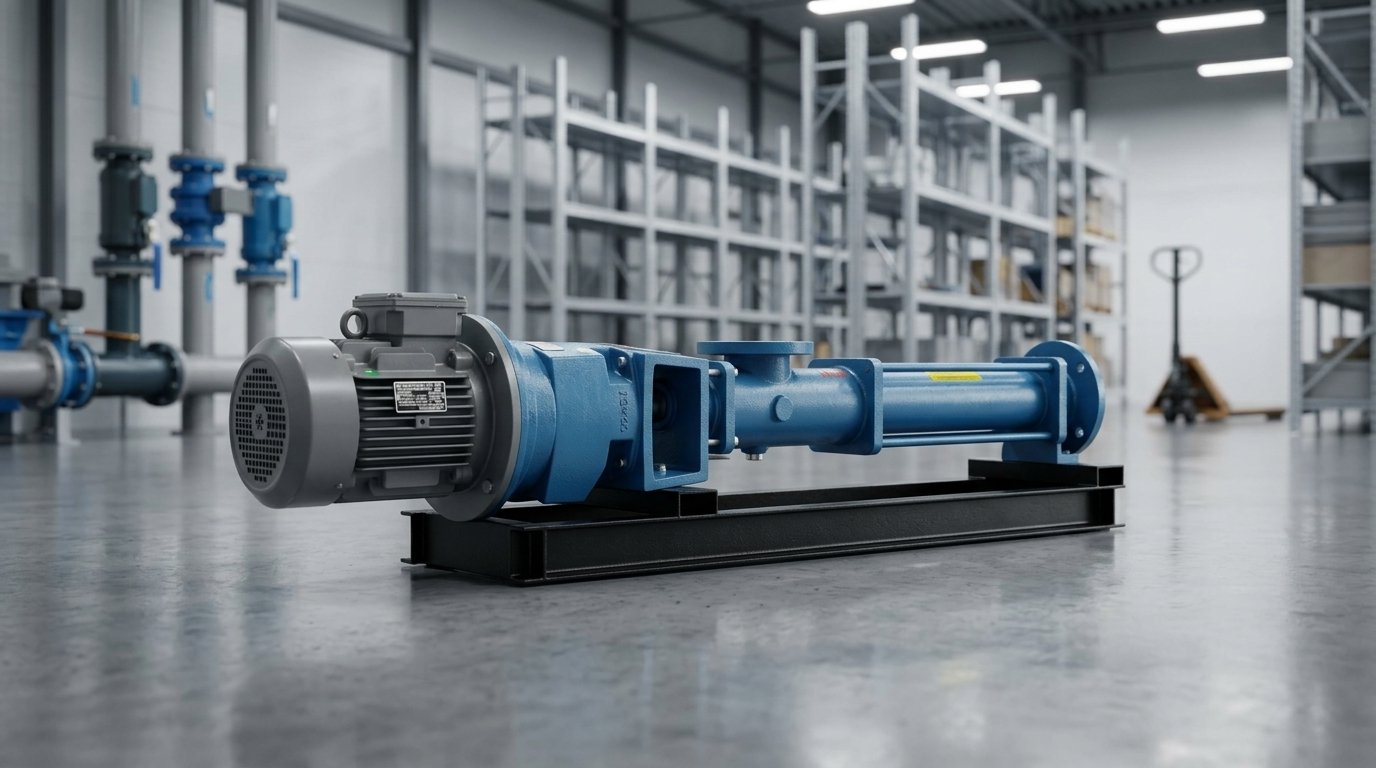
A Rotor and Stator are the two fundamental components of many industrial machines, especially in pumps, motors, and compressors, working together to enable motion, energy transfer, and fluid movement.
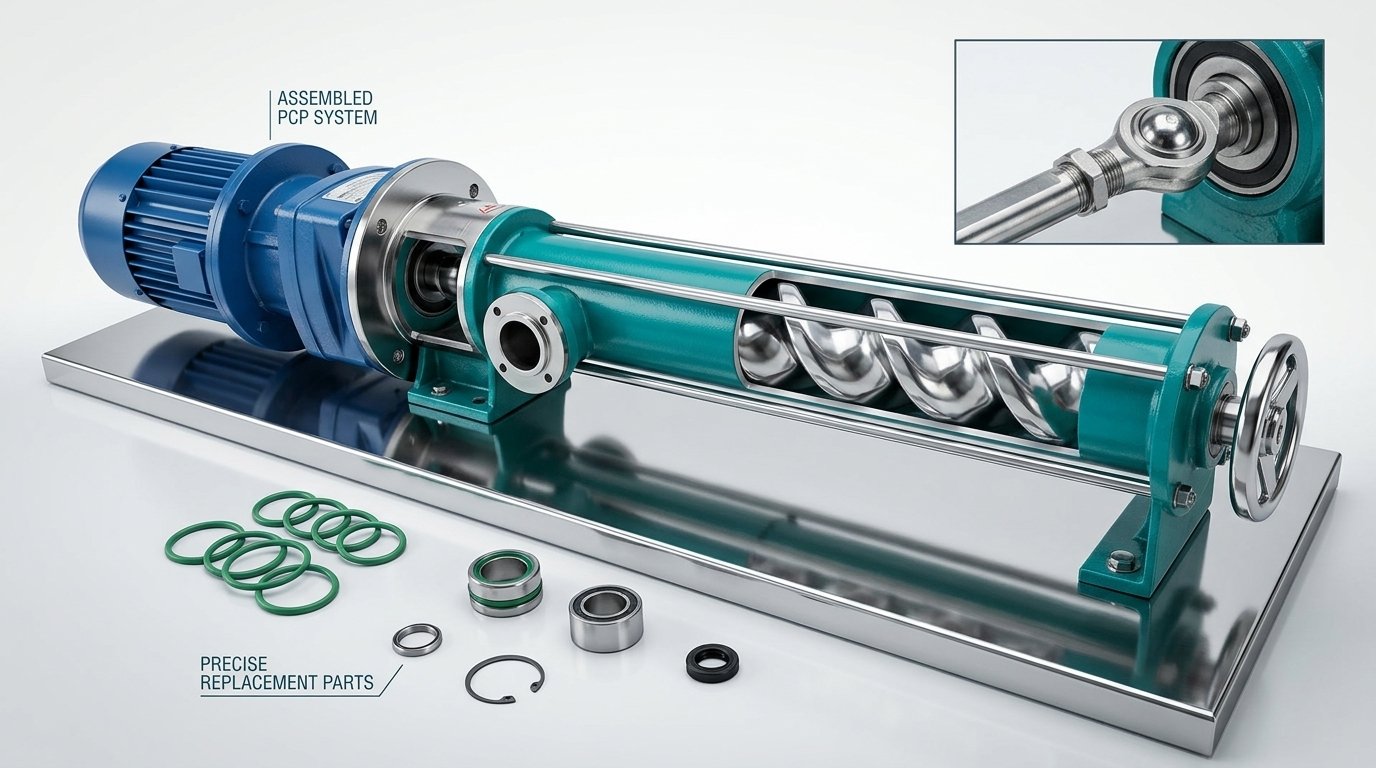
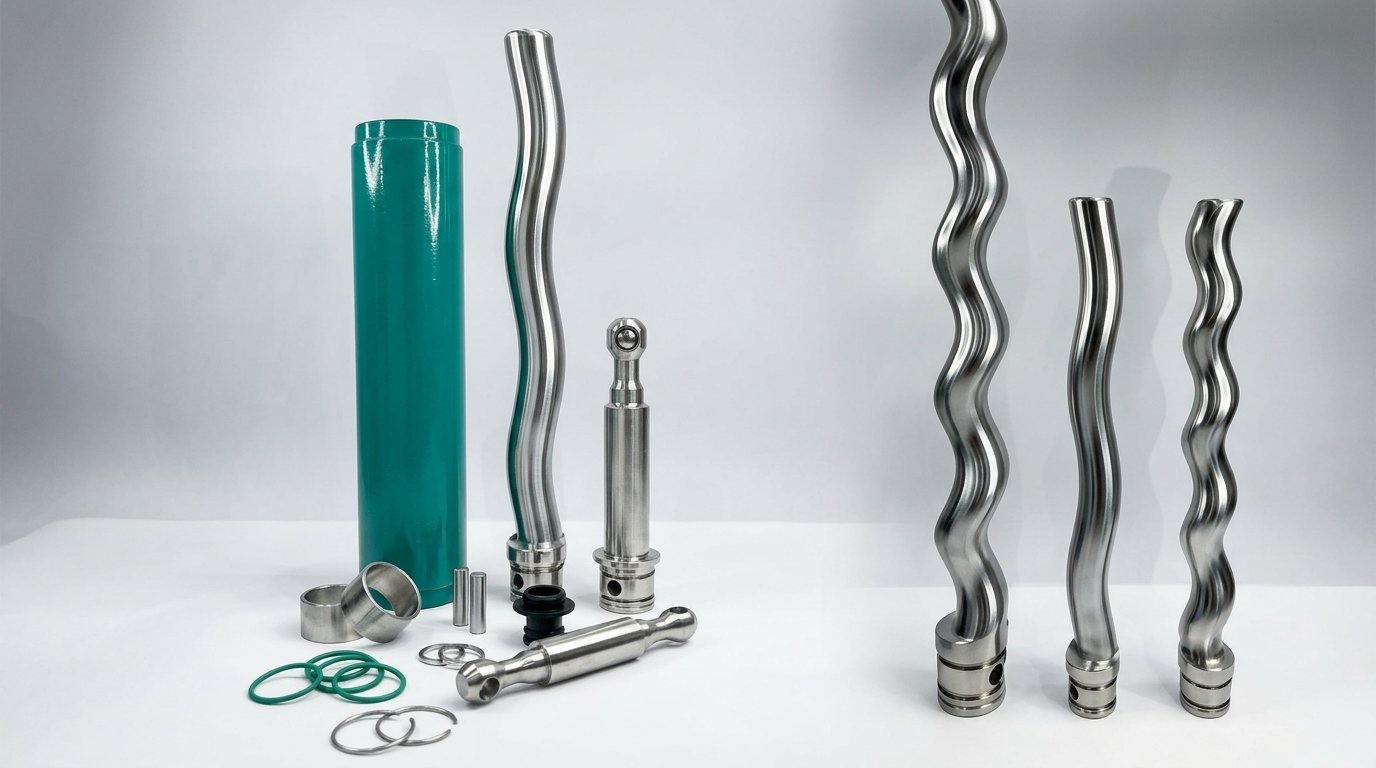
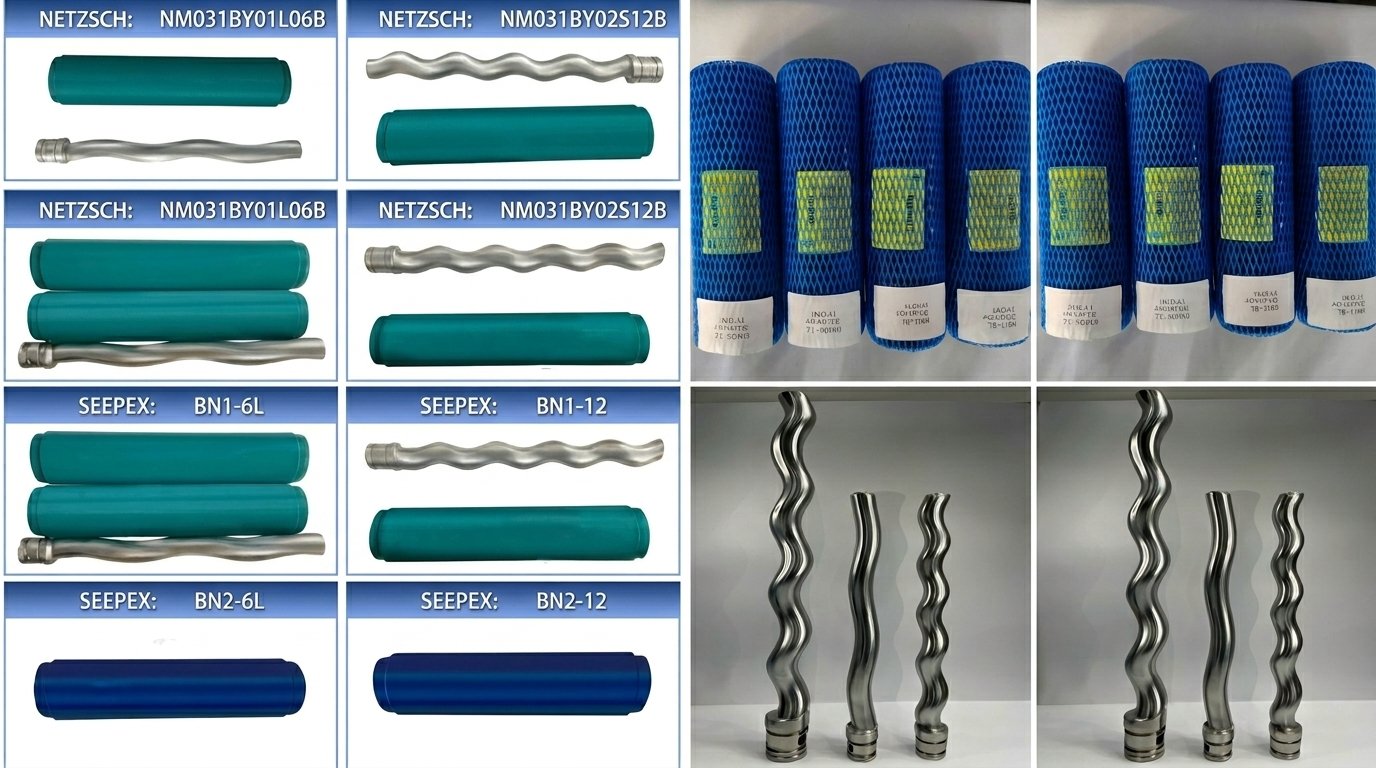
The rotor is the rotating part of the system. It is mounted on a shaft and spins within the machine, driven by an external force such as an electric motor. In pumping applications, particularly in progressive cavity (screw) pumps, the rotor is typically a helical metal component that rotates eccentrically. As it turns, it creates cavities that move fluid from the inlet to the outlet in a smooth and continuous flow. The rotor is usually made from hardened steel or stainless steel to withstand wear and tear.
The stator, on the other hand, is the stationary part that surrounds or encloses the rotor. It is designed to complement the rotor’s shape and function. In pumps, the stator is often made from elastomer materials like rubber, allowing it to form a tight seal with the rotating rotor. This sealing action creates enclosed cavities that progress along the length of the pump, enabling efficient handling of viscous, abrasive, or shear-sensitive fluids.
Together, the rotor and stator create a positive displacement mechanism that ensures a consistent flow rate regardless of pressure variations. This makes them ideal for applications involving thick liquids such as sludge, slurry, molasses, syrups, and chemicals.
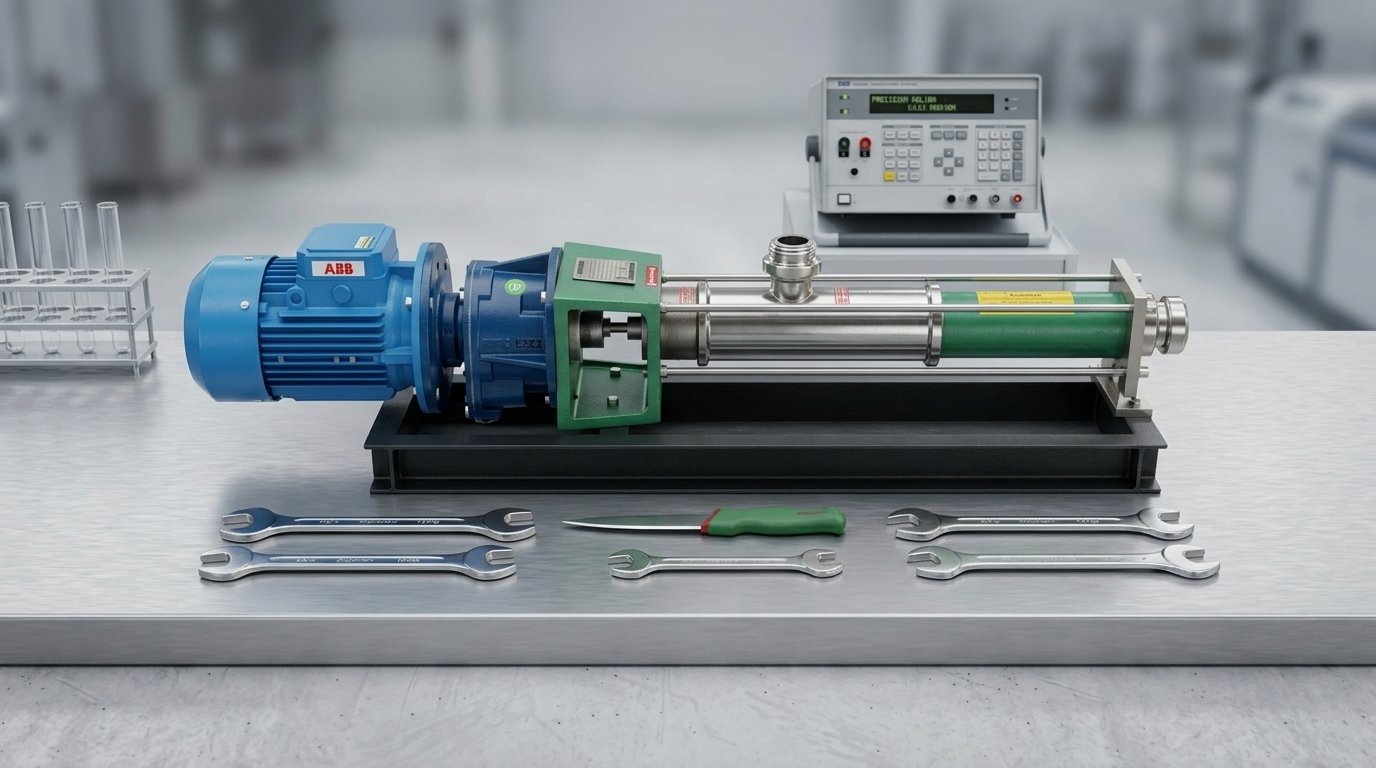
The rotor-stator combination is known for its ability to handle solids, provide low pulsation flow, and operate with high efficiency. Regular maintenance and proper material selection are important to ensure long service life and optimal performance, especially in demanding industrial environments.